
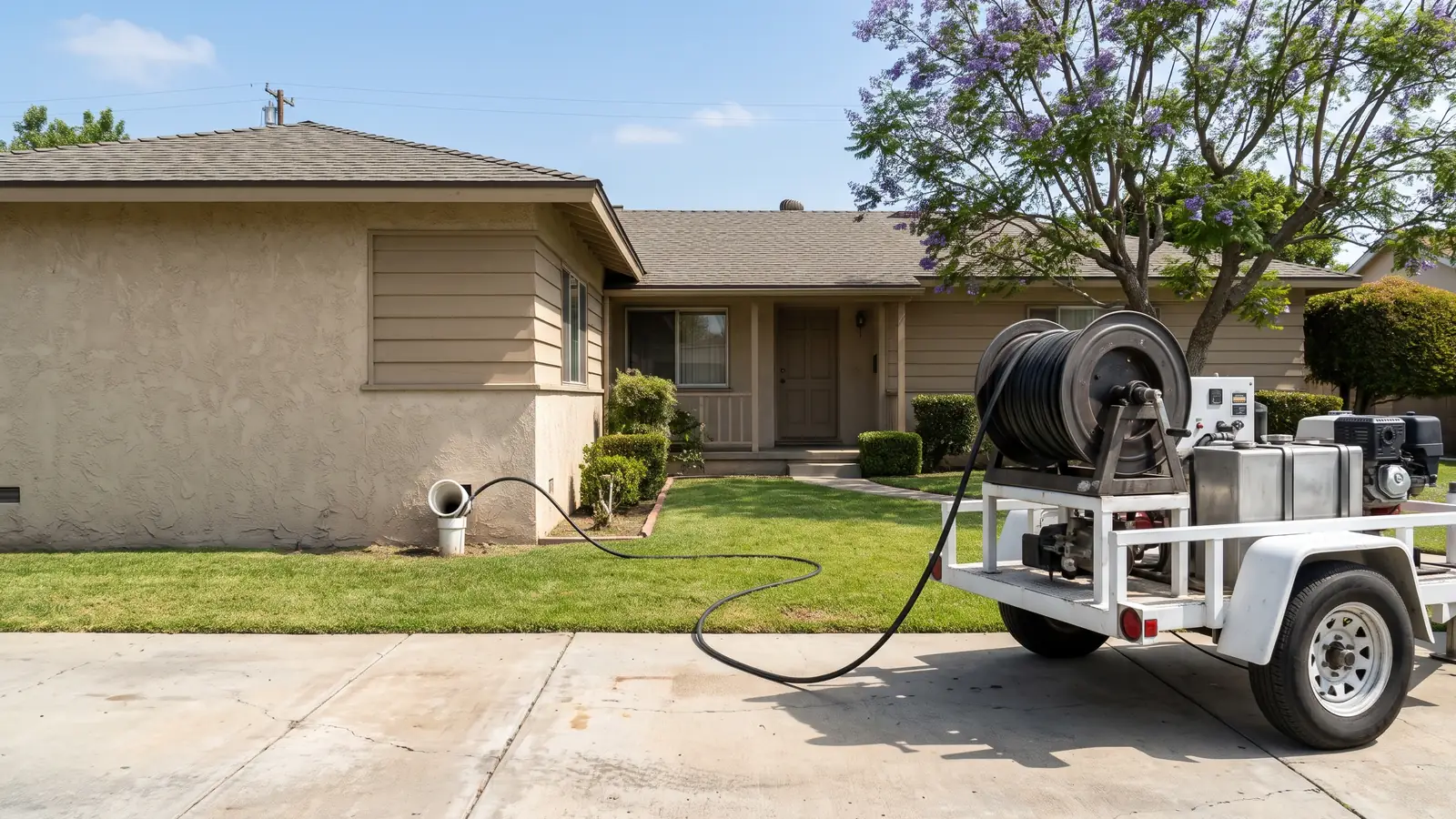
Tree Root Removal Methods for Torrance Sewer Laterals
Mechanical Root Cutting with a Cable Machine
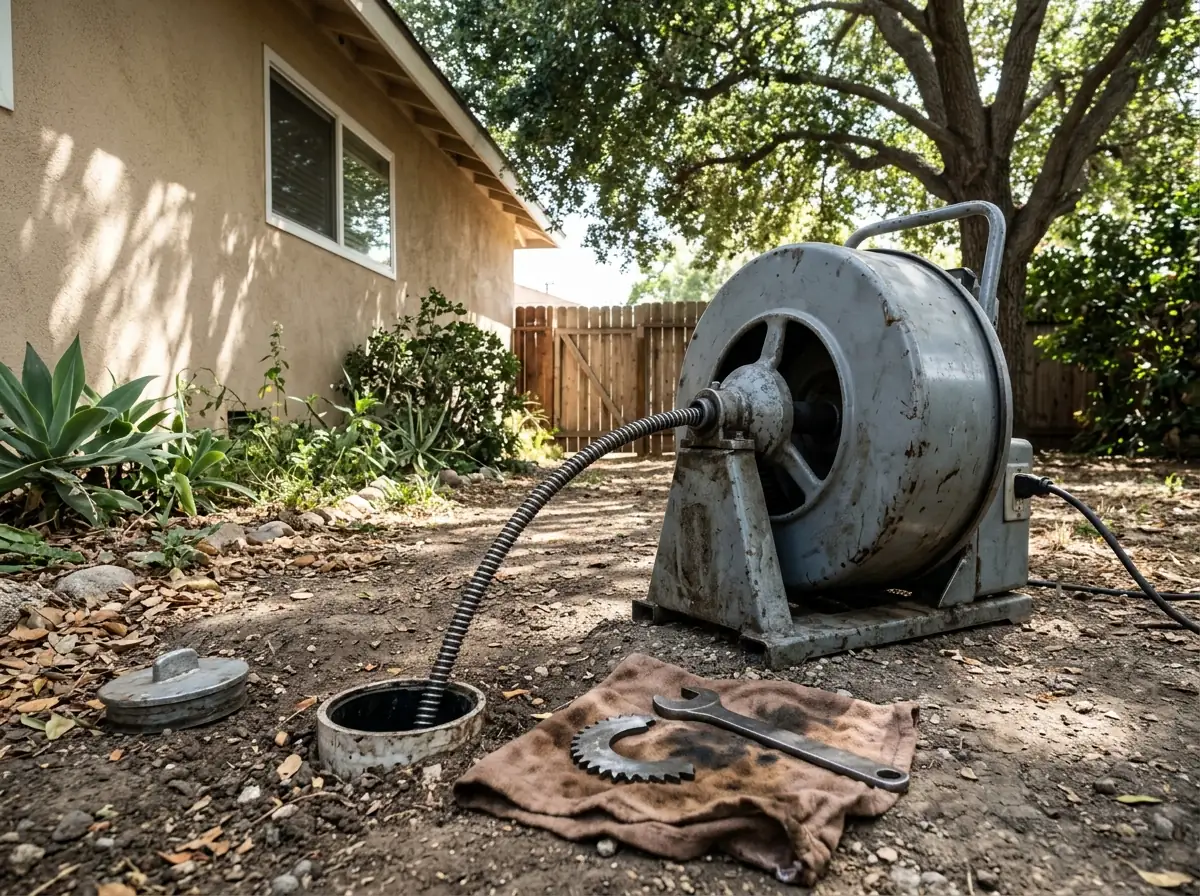
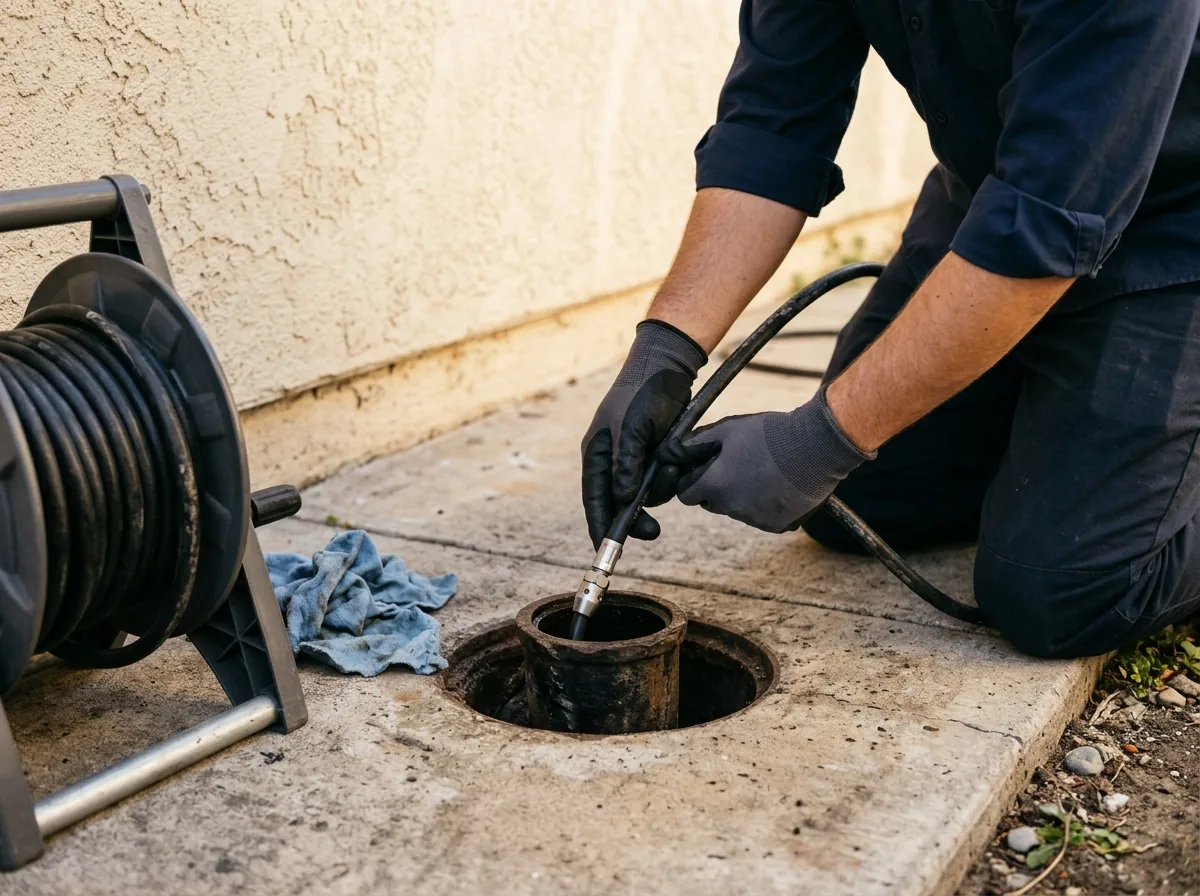
A drum machine spins a heavy cable down the lateral with a cutter blade on the end, sized to the pipe, and shaves the roots off at the joint. A typical lateral machine is built for 3" to 6" lines and ships with 2", 3" and 4" cutters. The City of Torrance's sewer crews primarily use the same approach, mechanical root cutting, on their own mains. Cutting opens the line fast, though the loose pieces still need flushing out.
Root-Cutting Jetter Nozzles
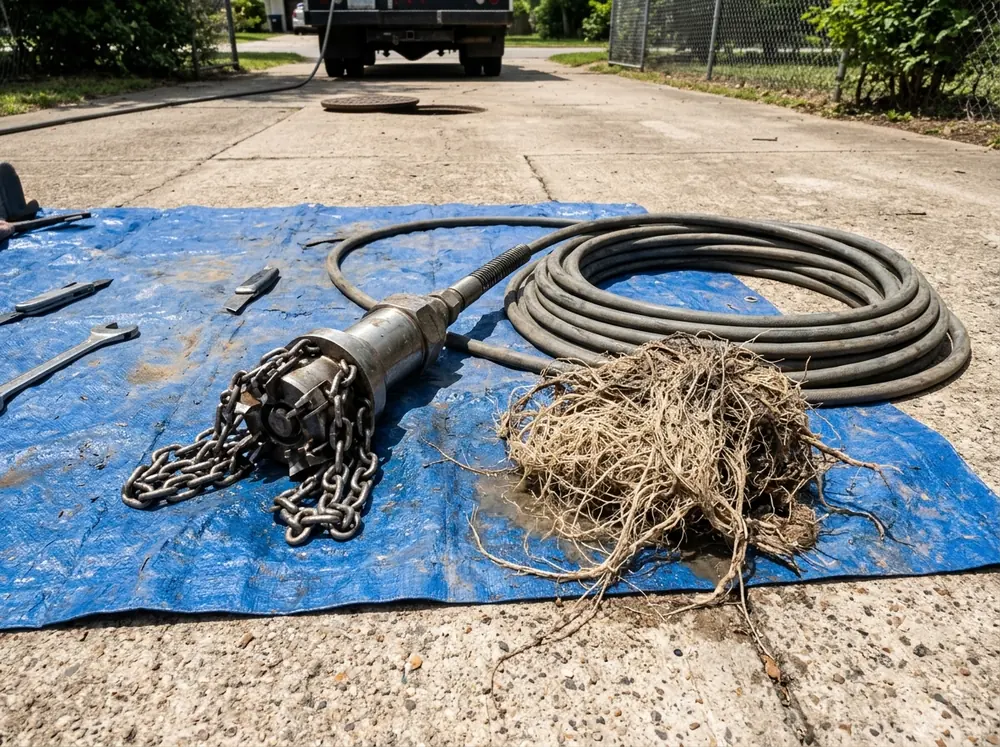
Plain water jets won't cut through a heavy root mass, which is why jetters carry root-cutting heads. These use spinning chains or mechanical cutters driven by the water flow, and they wash the cut roots downstream to the main in the same pass. The catch is the pipe. Cutters have to be rated for the pipe material, and old clay with offset joints needs a lighter touch than PVC. Sewer line cleaning covers how pipe material changes the job.
Foaming Root Treatments
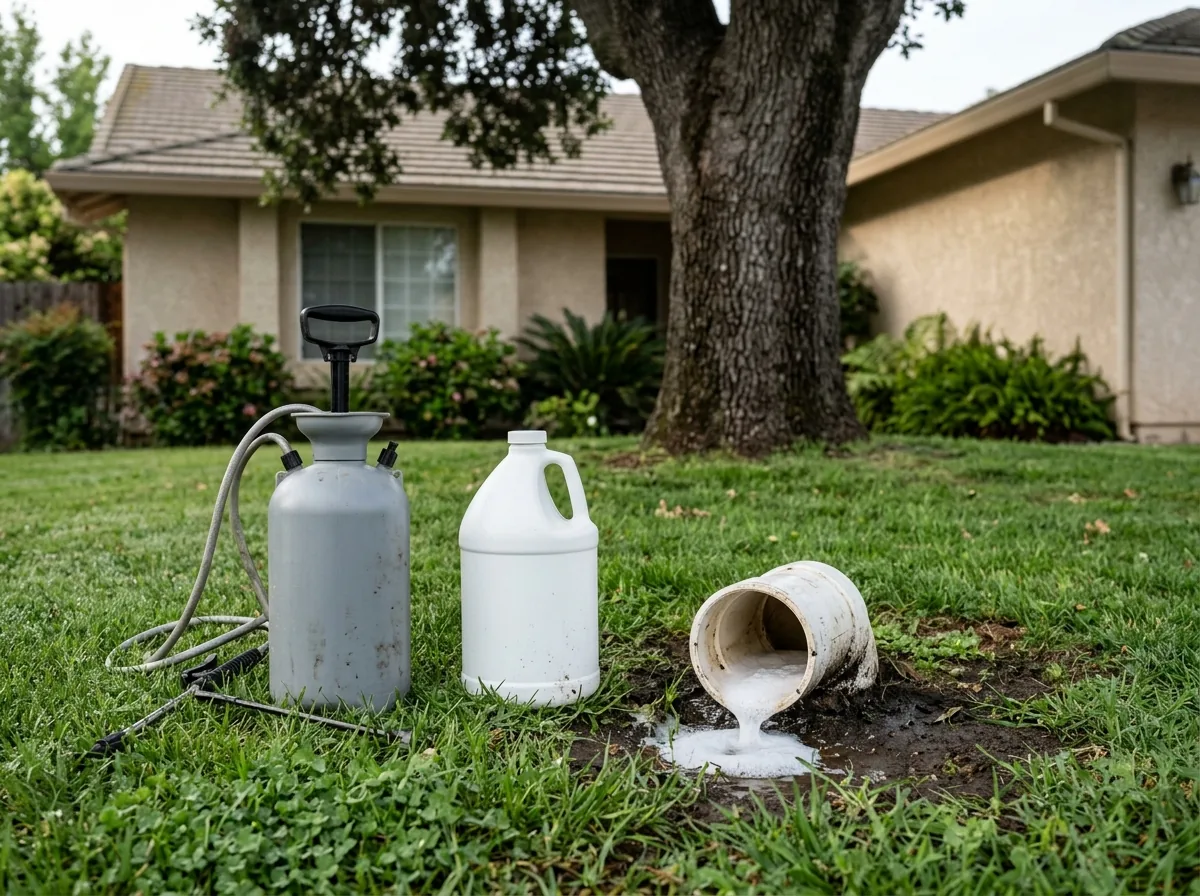
Chemical treatment is the second tool. The city uses chemical vapor applications alongside root cutting. One widely sold product mixes a dry herbicide with a foaming agent; add water and it becomes a herbicidal foam that coats the pipe, with some vapor traveling past where the foam stops. Its maker says a single treatment protects a line for 12 months. That is the label's claim, so ask the plumber which product they would use and what it is approved for.
Sealing the Entry Point After Cutting
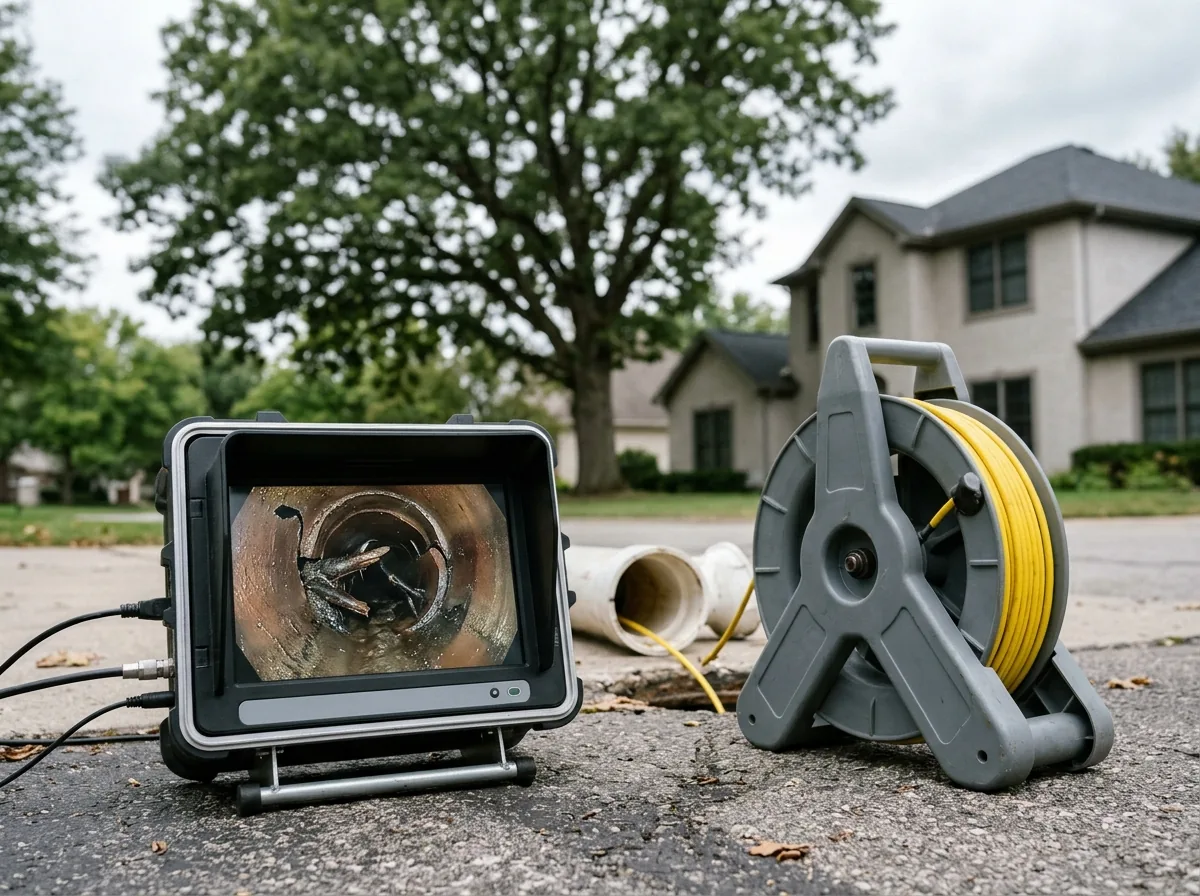
Roots find hairline cracks and loose joints, then grow until they fill or crush the pipe. Cutting clears the pipe but leaves that opening as it was. After cleaning, a camera run shows exactly which joint they came through and how far out it sits. A spot repair or a liner at that joint is the long-term answer, and sewer line repair covers both.
Why Torrance homeowners and businesses call Torrance Hydro Jet
- One independent plumber gets your request, never a call list
- The referral itself costs you nothing
- Ask for the camera video and a written price before repairs
- Check the plumber's C-36 license on CSLB in a minute
Choosing Between Cutting, Treatment and Repair
Every root call ends with the same decision: keep cutting, add a treatment, or close the gap. The camera footage after cleaning is what settles it.
Cutting on a schedule
The lowest cost per visit, and a reasonable choice when the pipe is sound and the entry point is small. Expect the roots to come back; the city's own six-month cycle on its trouble spots is a fair guide to how quickly.Cutting plus a foam treatment
A middle step that aims to slow regrowth between cuttings. Ask how long the plumber has seen it hold in practice; the 12 months on the label is the maker's figure.Repair or lining at the entry point
The only option that closes the opening. It costs more up front, and it is the one of the three aimed at the cause.Pipe condition first
Clay laterals often carry heavy root growth and shifted joints, and loose shards can break away while the pipe is being cleaned. If the camera shows a cracked or crushed section, cutting harder won't help.
Torrance makes the owner responsible for the lateral out to the city main, roots included, so the cost of this choice is yours wherever the roots sit. Sewer line repair explains the permits if it comes to digging.
When you call this line about roots, mention any big trees near the sewer run and when the line was last cleared. That history goes to the plumber with your request and helps them plan the first camera pass.
See sewer camera inspection for how the video locates the root entry point.