
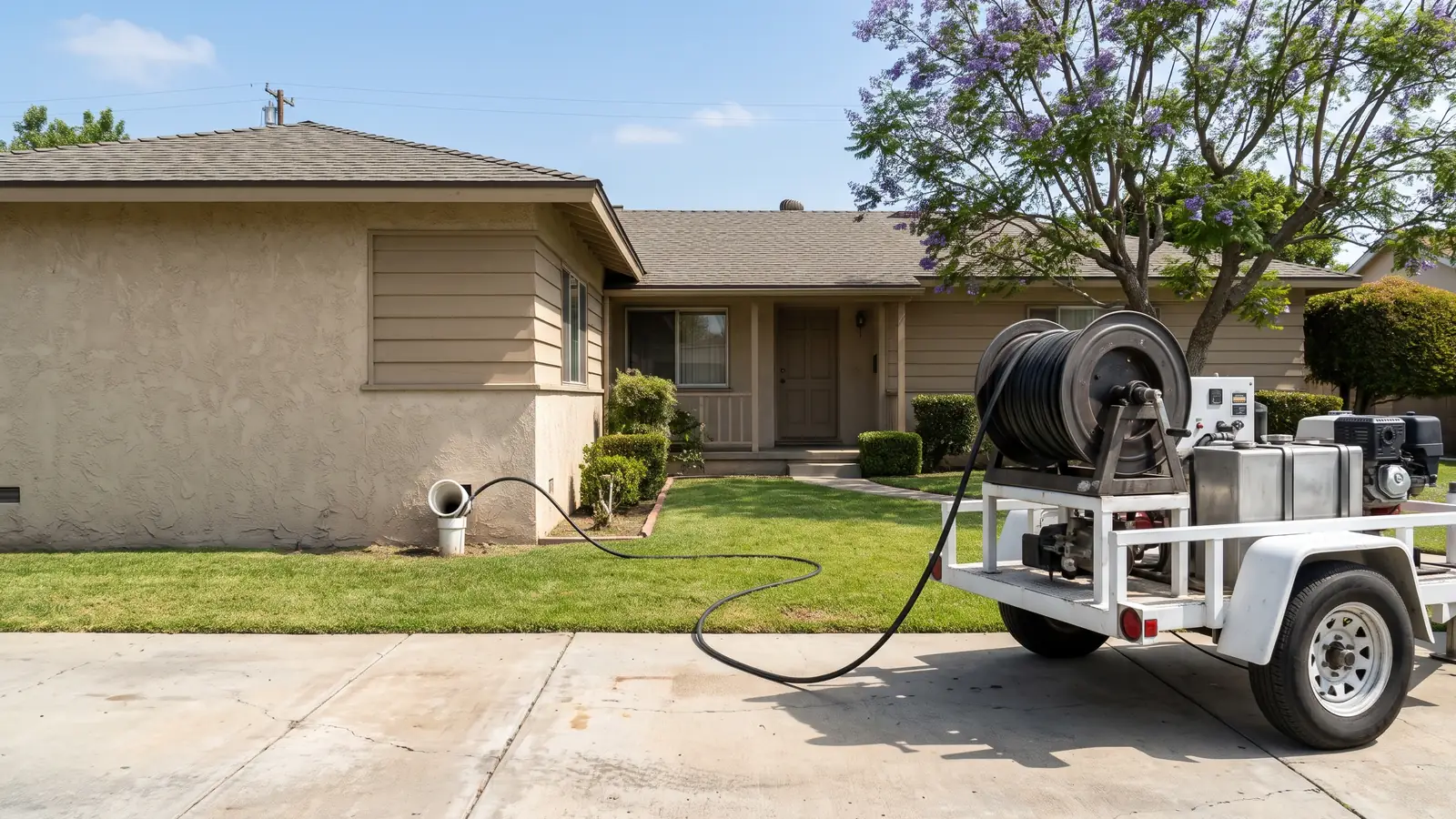
Sewer Line Cleaning Jobs on a Torrance Lateral
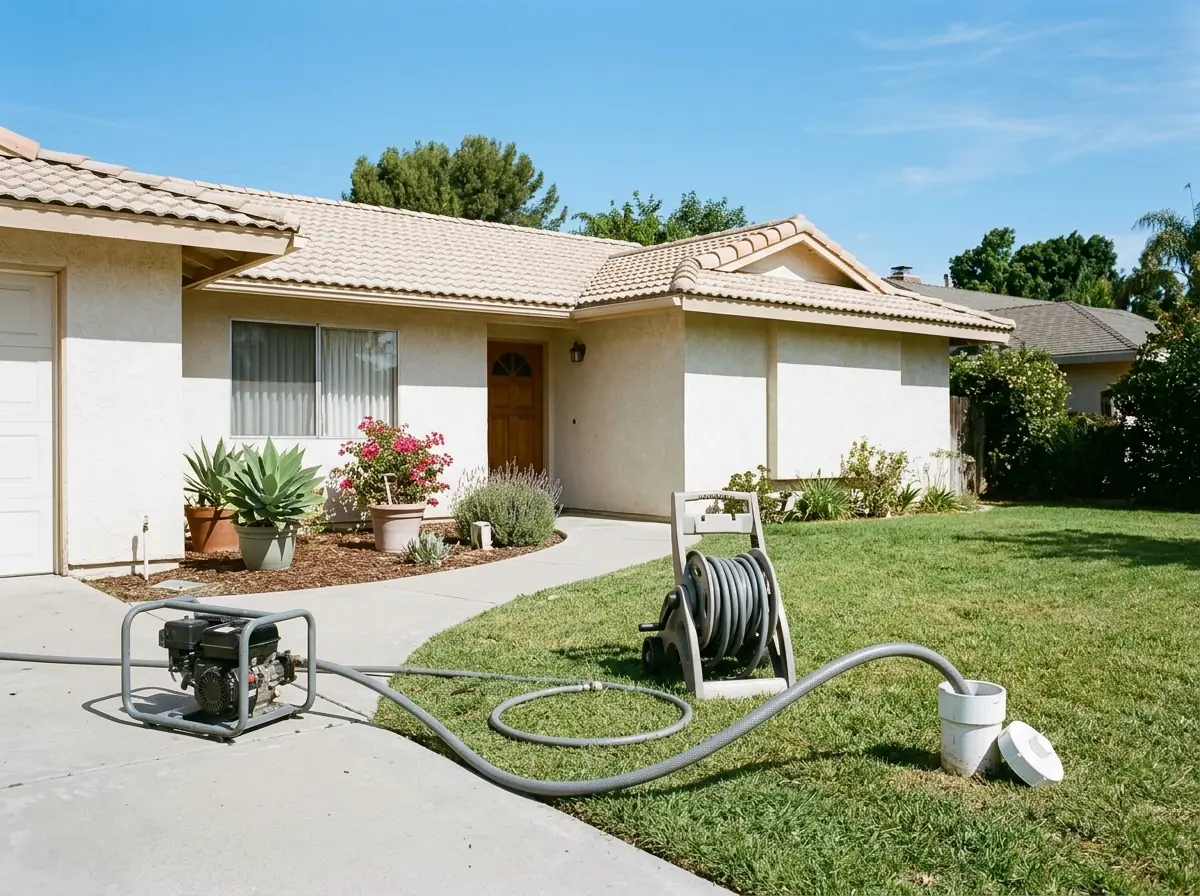
Lateral Jetting from an Outside Cleanout
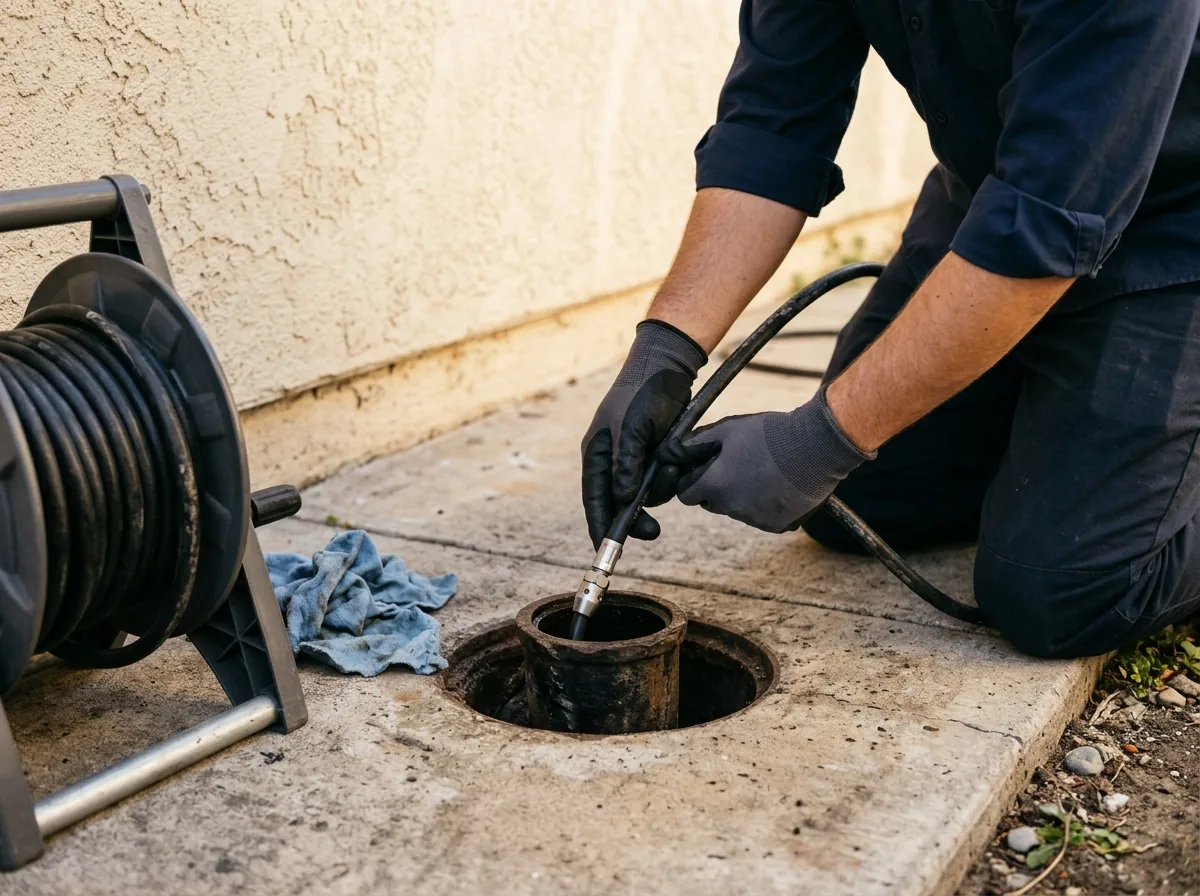
With an outside cleanout, the hose goes straight into the lateral without touching anything inside the house. The plumber feeds it toward the street, lets the nozzle work each stretch, and pulls back slowly so loosened sludge rides the water down to the main. In Torrance the property owner is responsible for that whole run, connection to the city main included; see sewer line repair for what that means when the pipe is broken.
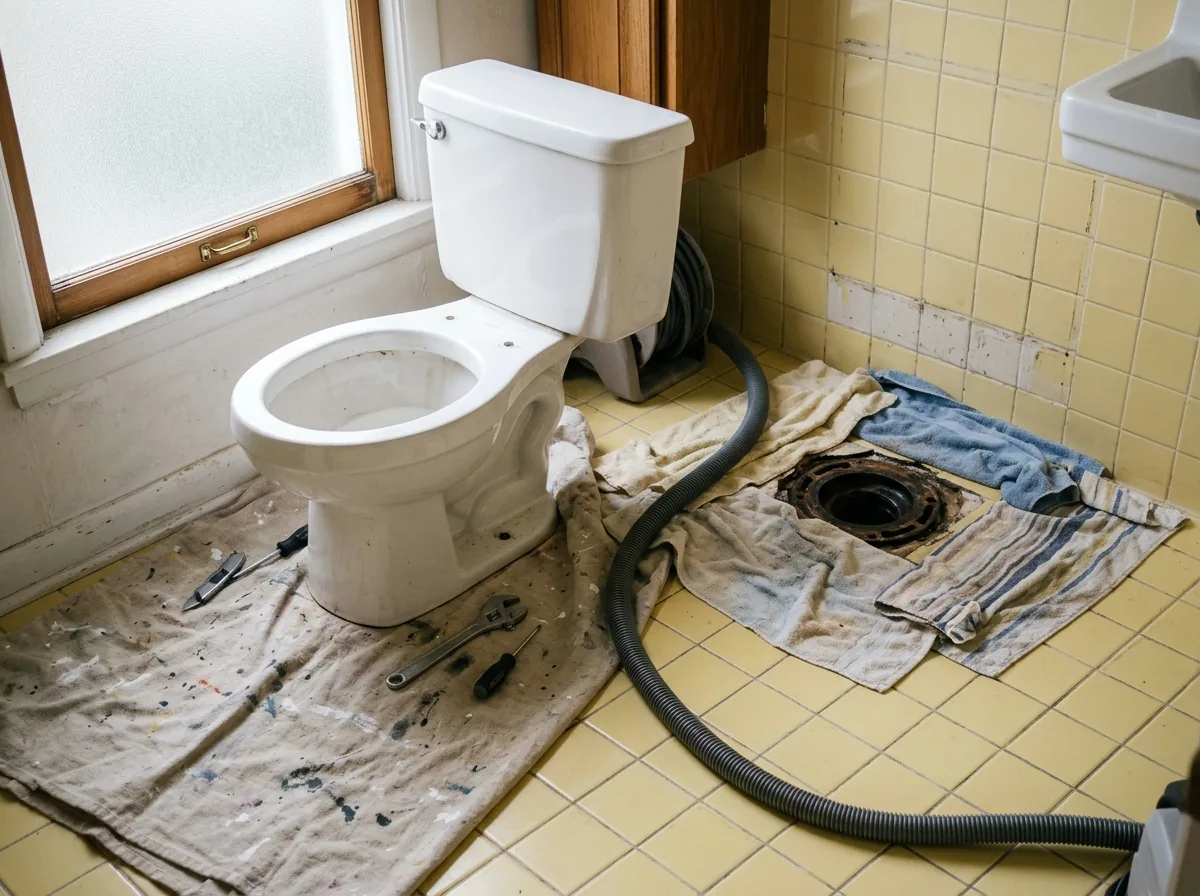
Access Through a Pulled Toilet or Roof Vent
No cleanout means finding another way in. The usual one is lifting a toilet off its flange; sewer cleanout installation covers what that adds and what a permanent cleanout costs. The other is the roof vent. Coming down from the roof gives the hose a vertical drop and skips the traps inside the house, though some vent stacks have several 90-degree turns, and roof condition and weather count too.
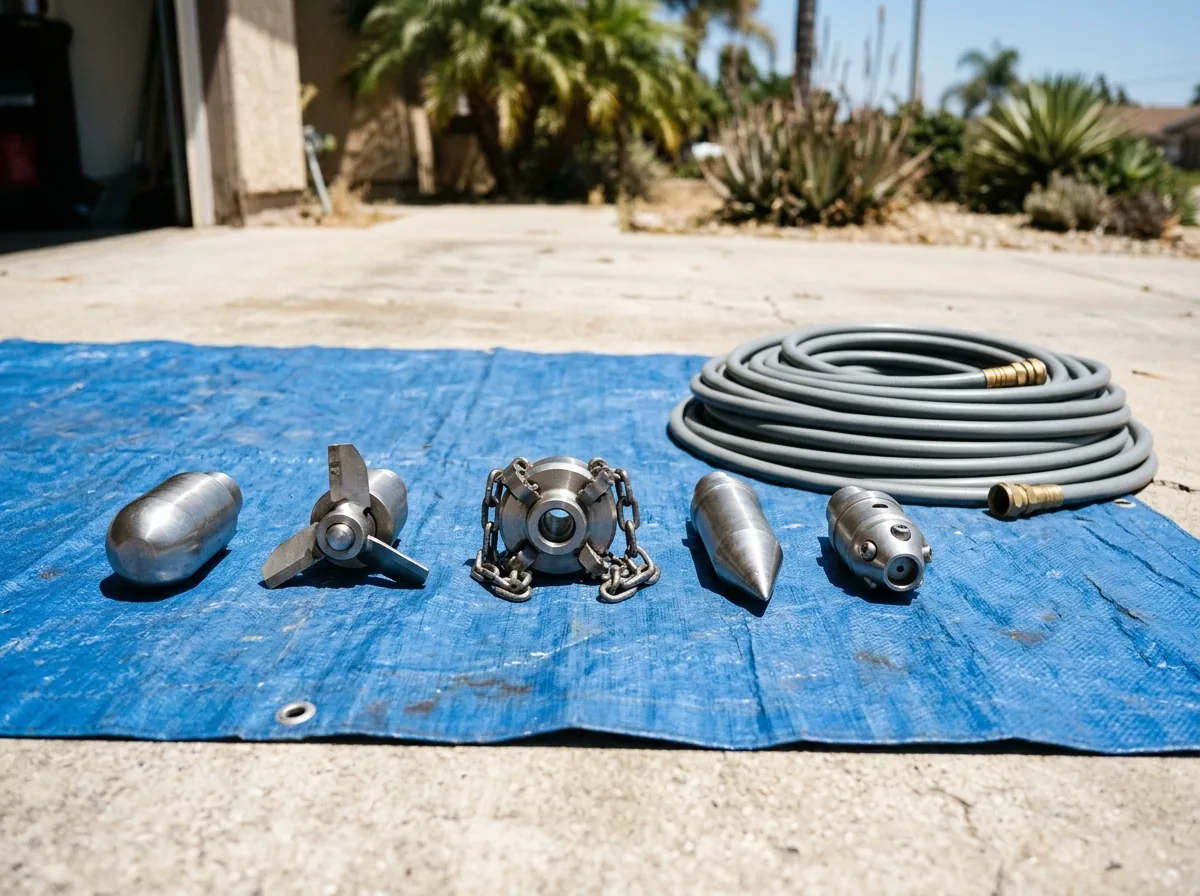
Penetrating, Flushing and Rotating Nozzles
The nozzle matters as much as the machine. Each one is built for a different job:
- Penetrating: forward jets that punch through a hard, full blockage to open a path
- Flushing: most jets face backward at a wide angle, the routine choice for scouring the whole pipe wall
- Rotating or spinning: for grease, soap and scale stuck to the wall
- Root cutter: spinning chains or cutters driven by the water; see tree root removal
- Cornering and chain flail: cornering heads for lines with several bends, chain flails for hard blockages
Equipment sellers say the same thing about all of them: match the nozzle to the pipe material and to the jetter's pressure and flow.
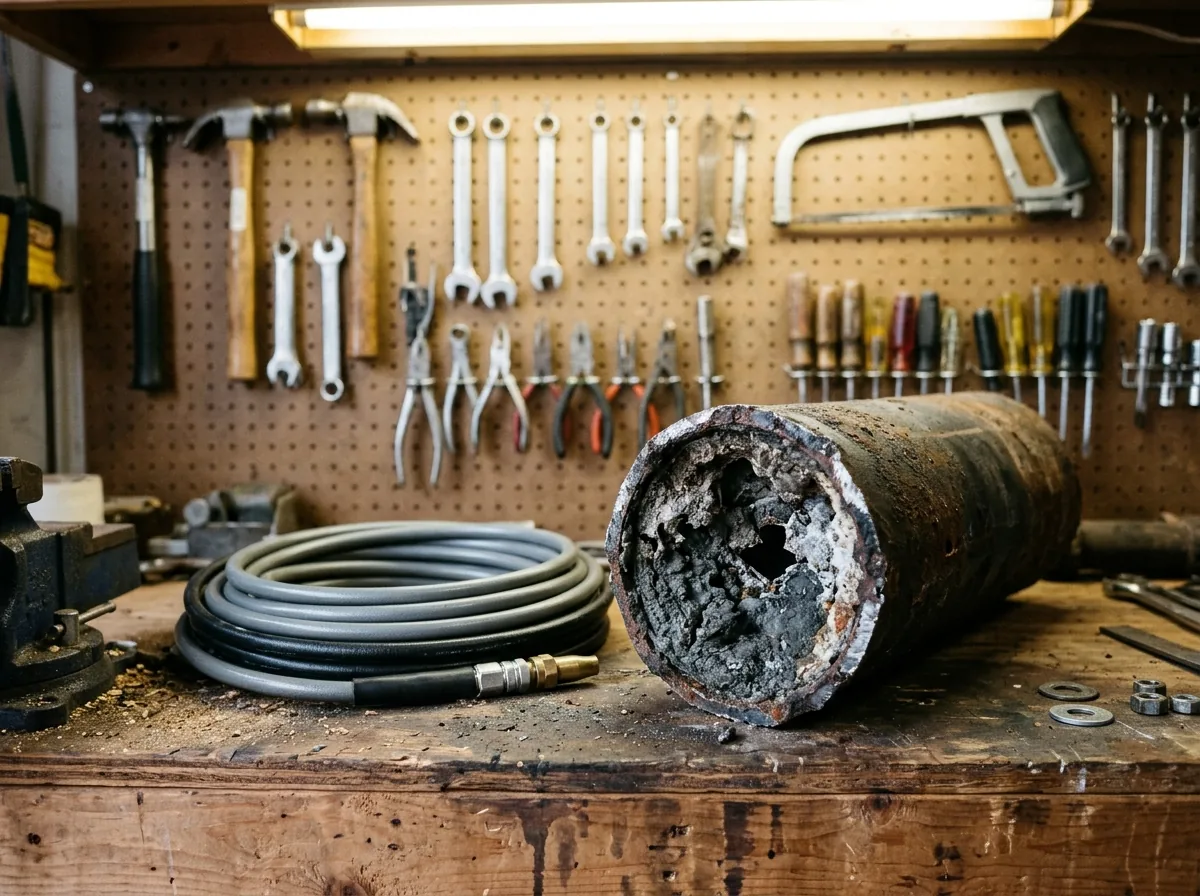
Sludge, Scale and Wipes Flush-Out
Most main line clogs build slowly. Disposal grinds and grease settle in a low spot, mineral scale roughens the wall, and wipes catch on the rough patch until paper stacks up behind them. A cable machine opens a channel and leaves most of that buildup in place. A flushing or rotating nozzle takes the coating off the full length, which is why jetting is the usual choice for a main that keeps clogging.
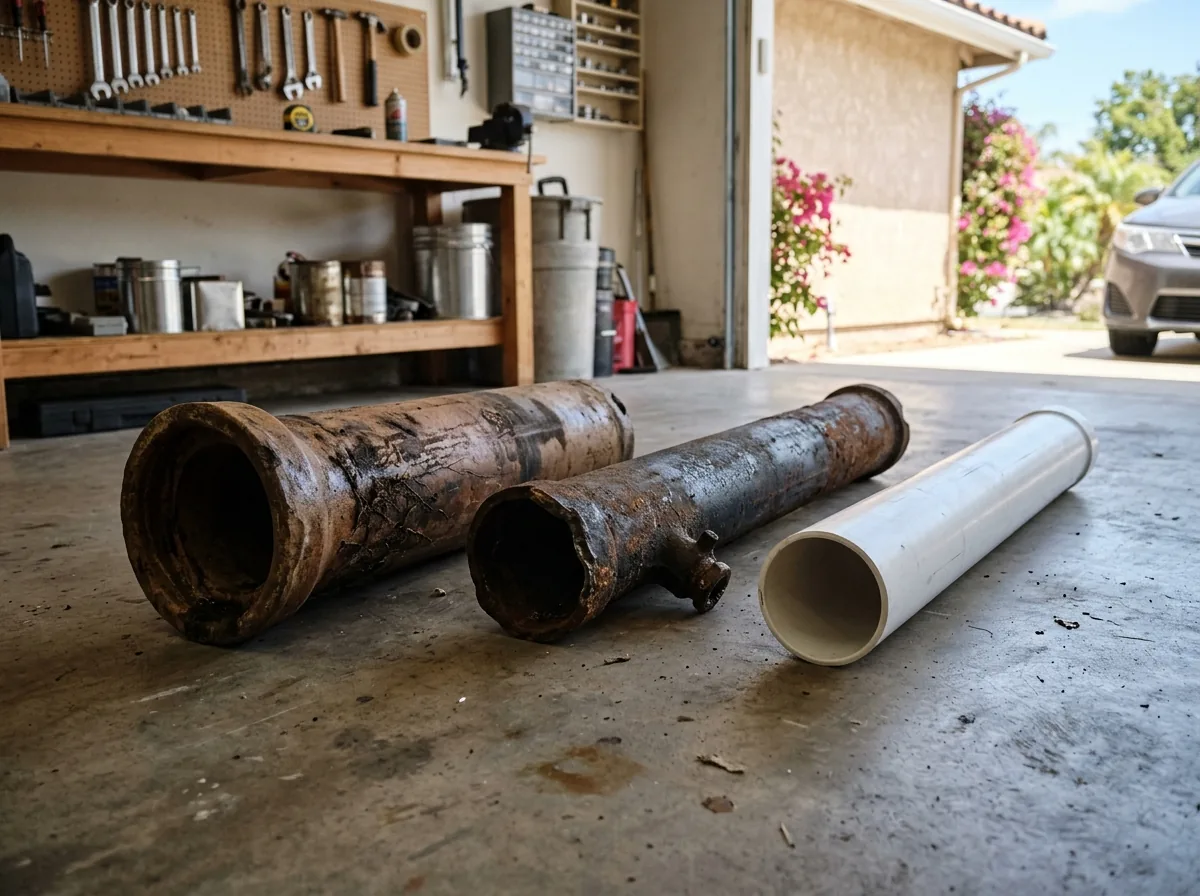
Jetting Clay, Cast Iron and PVC Laterals
Whether a lateral should be jetted at all, and how hard, depends on what it is made of.
- PVC: generally treated as safe for jetting.
- Cast iron: a jetter is the fastest way to clean it if the pipe still has its integrity; thin, scaled pipe is a job for cast iron pipe descaling.
- Clay: often has roots growing in and joints that have shifted out of line, and broken pieces can come loose during cleaning.
- Age: HomeGuide warns that pipes past 40 years old or showing deterioration may not suit high-pressure cleaning.
Orangeburg, a tar-paper pipe laid from about 1940 into the early 1970s, flattens with age and drain tools can damage it further, so a plumber who finds it on camera should talk about replacing the line instead. The City of Torrance's own mains are nearly all vitrified clay laid before 1980, but no record says what any private lateral is made of. Only a camera shows that.
Why Torrance homeowners and businesses call Torrance Hydro Jet
- One independent plumber gets your request, never a call list
- The referral itself costs you nothing
- Ask for the camera video and a written price before repairs
- Check the plumber's C-36 license on CSLB in a minute
What to Ask Before the Sewer Line Is Jetted
A short phone conversation saves surprises once the hose is in the ground. When the plumber calls you back, ask these.
Camera before, after or both
Running a camera during jetting is how plumbers spot integrity problems as they clean. Prices are on sewer camera inspection.Which nozzle, and why
A plumber who can say why a rotating head suits your grease line, or why a clay pipe gets a gentler setup, is matching the tool to the pipe.What happens if damage turns up
Cleaning and repair are separate jobs with separate prices. Ask to stop and talk before any repair work starts.The price in writing
California has written-contract and deposit rules for home improvement work; sewer line repair explains them.How far the hose will go
Ask whether the plan is to clean all the way to the city main or only to the clog.
When you call this line, mention the pipe material if you already know it from an old inspection. It goes to the one contractor who takes the job, and it helps them decide on nozzle and pressure before they arrive.
See sewer camera inspection for what the video shows before and after the line is cleaned.